Self-drive desert safaris in Dubai attract adventure seekers eager to test their driving skills on the Arabian dunes. Many participants, however, underestimate the challenges of soft sand terrain and overestimate their vehicle control. This overconfidence often leads to avoidable mistakes such as over-speeding, driving alone, and ignoring convoy formation. Each of these errors increases the risk of accidents, vehicle rollovers, or getting stranded in remote desert zones.
The Dubai Tourism and Commerce Marketing (DTCM) authority emphasizes that all desert self-drive tours must follow licensed operator guidance, including safety briefings and radio communication. Tour companies like Arabian Desert Safari Dubai ensure each participant undergoes pre-drive training to minimize risks before entering the open desert.
Why Do Many Drivers Lose Control on Sand Dunes?
Drivers often lose control because sand dunes shift unpredictably under tire pressure and speed. The sand’s loose texture changes grip strength with temperature and wind conditions, making every climb or descent different. Over-acceleration or sharp braking can dig the tires deep into soft dunes, leaving vehicles immobile. This problem is especially common among tourists unfamiliar with Dubai’s Lahbab Desert or Al Faya Desert terrains.
Technical Errors to Avoid When Driving on Sand
| Mistake | Resulting Risk | Prevention Tip |
|---|---|---|
| Over-speeding downhill | Rollover or side skid | Maintain low gear and steady throttle |
| Not reducing tire pressure | Loss of traction | Deflate tires to 14–16 psi before ride |
| Sharp dune turns | Vehicle imbalance | Use wide arcs for turning |
| Ignoring weight balance | Rear-end drag | Evenly distribute passengers and gear |
While some adventurers rely on automatic traction control systems, experts recommend switching to manual mode to better control torque and wheel spin during dune descents.
Why Is It Important to Follow the Convoy and Tour Guide?
Following the convoy ensures every vehicle remains within GPS-monitored safe zones, preventing disorientation or isolation. The lead guide determines the safest dune routes, while the tail car monitors vehicle spacing and signals for recovery when needed. Breaking formation not only disrupts safety communication but also voids the insurance coverage provided by most licensed tour operators.
Many inexperienced drivers trail too closely, misjudging the stopping distance required on loose sand. The result is rear-end collisions during climbs or when braking at the crest. Maintaining at least two car lengths between vehicles is essential to allow safe maneuvering, especially in high dune areas like the Lahbab Red Dunes.
What Happens When Drivers Skip the Safety Briefing?
Skipping the safety briefing is one of the most frequent and dangerous mistakes made by self-drive participants. These sessions provide vital knowledge on throttle control, gear shifting, slope alignment, and recovery protocols. Ignoring these can cause panic during descents or sudden dune drops.
Dubai’s DTCM regulations (as of Q4 2024) require every operator to conduct a mandatory safety orientation before any self-drive desert safari. The briefing covers:
- How to manage momentum while climbing steep dunes
- The importance of staying on designated paths
- Recovery procedures for stuck vehicles
- The use of hand and radio signals for group communication
Skipping or disregarding this session directly increases the risk of accidents and mechanical failures.
How Does Overconfidence Affect Driving Safety?
Overconfidence is a leading cause of rollovers and mechanical breakdowns during desert safaris. Many drivers assume prior off-road or 4x4 experience applies equally to sand terrain—it does not. Dunes require balance, not speed. While the power of a Polaris RZR or Can-Am Maverick X3 can tempt drivers to accelerate, the soft terrain demands slow, calculated throttle use.
Even small misjudgments in acceleration can cause the rear wheels to sink, leaving the vehicle tilted sideways. Skilled guides at Arabian Desert Safari Dubai instruct drivers to maintain momentum without over-throttling and to anticipate dune crests well in advance.
How to Recover If Your Vehicle Gets Stuck in the Sand?
Getting stuck is common but recoverable if handled calmly and correctly. The key is to avoid spinning the wheels, as this digs the vehicle deeper. Drivers should instead stop, clear sand from around the tires, and slightly deflate them for better traction.
Step-by-Step Vehicle Recovery Guide
- Stop Immediately: Continuing to accelerate will worsen the situation.
- Assess the Sand Level: Use a shovel to remove sand from the front and rear tires.
- Lower Tire Pressure: Reduce PSI to around 12–14 for temporary traction.
- Use Tow Strap: Attach it to the recovery point of a nearby vehicle (never the bumper).
- Accelerate Slowly: Move in low gear until traction returns.
Every Arabian Desert Safari Dubai convoy includes a support recovery vehicle equipped with tow ropes, shovels, and air compressors to assist stranded participants.
What Equipment and Preparation Are Often Overlooked?
Neglecting proper preparation is another frequent issue. Many drivers arrive without sufficient water, sun protection, or navigation tools. The desert can reach 35–40°C even in mild seasons, and dehydration is a serious risk. Some also forget to inspect vehicle fluids, tire pressure, and fuel before the tour.
Pre-Drive Essentials Checklist
- Water bottles and electrolyte drinks
- Full tank of fuel
- Recovery kit (tow rope, shovel, compressor)
- Sunblock and UV-protective sunglasses
- First-aid kit
- Fully charged radio or GPS device
Licensed operators like Arabian Desert Safari Dubai provide these essentials, ensuring participants are never left unprepared in isolated desert zones.
How Do Environmental Factors Affect Self-Drive Tours?
Environmental conditions, especially wind speed, temperature, and visibility, play a major role in desert driving safety. Sandstorms or high winds can obscure visibility, making navigation nearly impossible without guide assistance. Most professional tour operators postpone rides when wind speeds exceed safe limits.
Additionally, during peak summer months, the sand becomes extremely loose due to heat expansion, making dune climbs more difficult and increasing engine strain. That’s why most operators recommend early morning or late evening self-drives to avoid the harsh mid-day heat.
How Does a Guided Self-Drive Compare to Independent Driving?
| Feature | Guided Self-Drive (Recommended) | Independent Driving (Risky) |
|---|---|---|
| Supervision | Professional tour guide | No supervision |
| Insurance | Included under tour package | Often not applicable |
| Navigation Support | GPS and convoy system | Self-navigation only |
| Recovery Assistance | Included support vehicle | Must arrange own rescue |
| Safety Briefing | Mandatory | Optional (often skipped) |
While Dubai law allows experienced off-roaders to obtain temporary self-drive permits, guided convoys remain the safest and most reliable option. They combine the excitement of independent driving with professional support and full insurance coverage.
What Are the Insurance and Legal Requirements?
As per Dubai’s DTCM regulation updates in late 2024, only licensed operators can offer self-drive desert safaris. Each vehicle must carry comprehensive off-road insurance, and participants are required to present a valid driving license. Failure to comply may lead to fines or denial of participation.
Tourists with international licenses are permitted to drive, provided the operator verifies the document before the tour.
All participants must also sign a liability waiver, acknowledging they understand terrain risks and will follow guide instructions throughout the trip.
Featured Desert Safaris & Tours
Explore top-rated tours with instant confirmation & best price guarantee
 Desert Safari
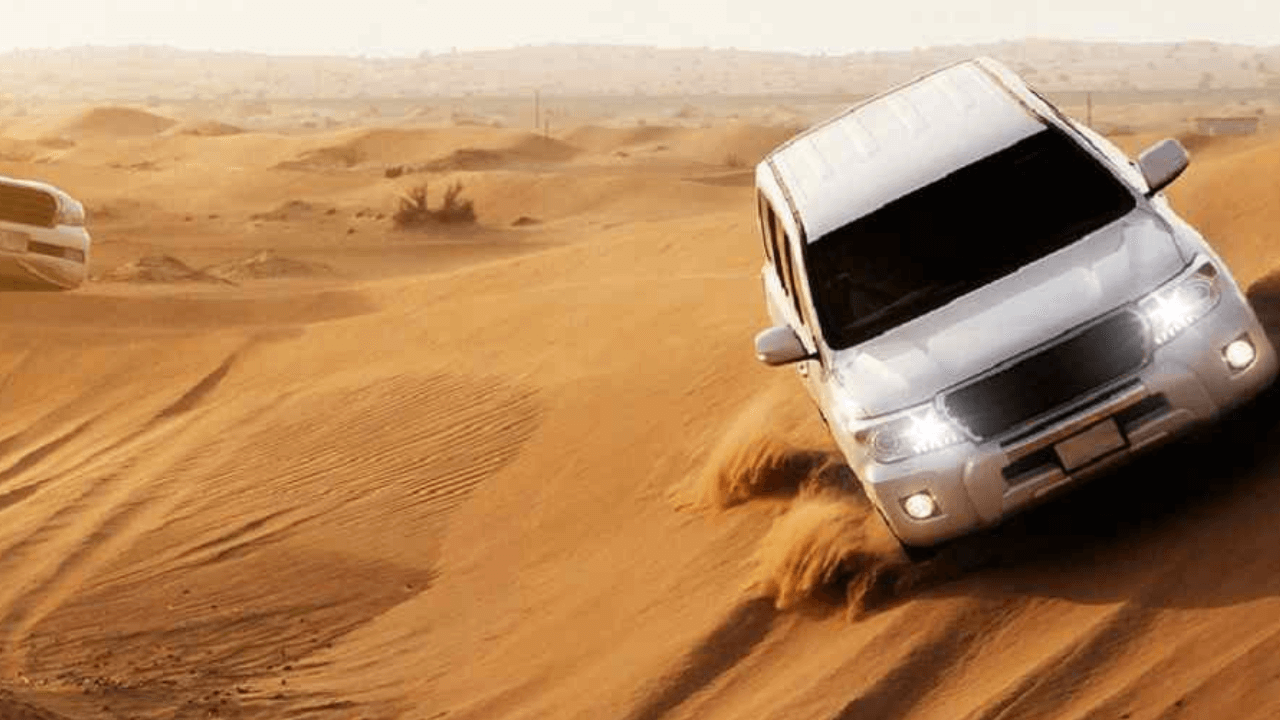
Self Drive Desert Safari Dubai (Drive Your Own Car to Camp)
 Desert Safari
Al Madam Ghost Town Desert Tour
 Desert Safari
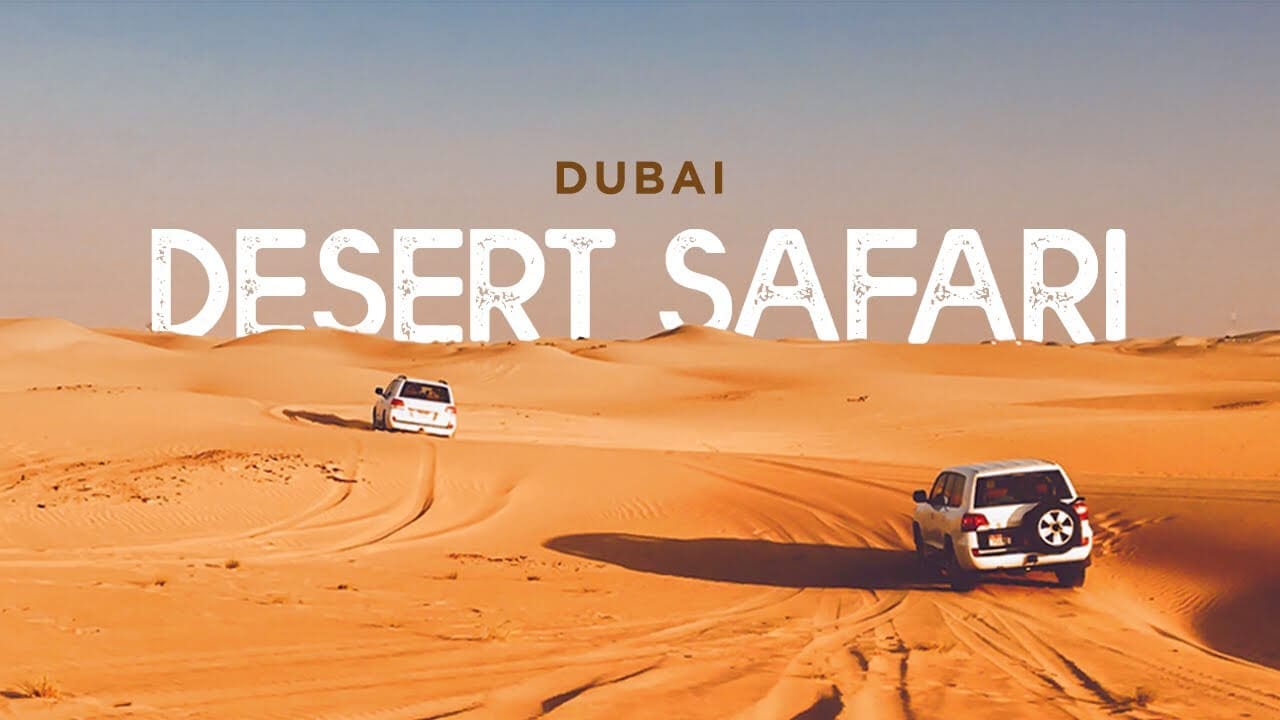
Arabian Desert Safari Dubai | 4×4 Red Dunes & VIP BBQ Tour
 Desert Safari
Quad Biking Dubai Desert | 350cc & 400cc ATV Rental
How Can Drivers Avoid These Mistakes Altogether?
The best way to avoid these mistakes is by choosing an experienced tour company, attending the safety briefing, and respecting the guide’s leadership during the convoy. Preparing adequately—mentally and physically—ensures both safety and enjoyment.
Adventurers should treat desert driving as a team experience, not a race. Patience, communication, and control are key.
When in doubt, it’s always better to let your guide handle the recovery or route change. Attempting to navigate solo in unfamiliar dunes can turn a memorable safari into a costly rescue operation.
Call to Action:
Enjoy the thrill of a self-drive desert adventure without the risks. Book your guided safari with Arabian Desert Safari Dubai — offering expert-led convoys, certified safety briefings, and fully insured 4x4 experiences. Limited seasonal slots available — reserve now to secure your spot!
Name: Arabian Desert Safari Dubai
Address: Marina Plaza - Marsa Dubai - Dubai Marina - Dubai
Phone: 0544747041
Website: Arabian Desert Safari
Hours: Open 24 hours