Dubai offers a surprising number of stargazing locations beyond its bright skyline. The desert landscape surrounding the city provides low light pollution and wide-open horizons, ideal for observing celestial phenomena. Stargazers in Dubai can witness constellations, planets, and meteor showers when skies are clear, particularly from October to March when humidity and dust levels are lower.
Desert areas such as Al Qudra, Lahbab Desert, and Al Faya Desert remain top spots for astronomy enthusiasts. The stillness of the desert enhances visibility, and many tour operators, including Arabian Desert Safari Dubai, offer stargazing packages that combine desert safaris with guided night sky experiences using telescopes.
Why Is the Desert the Best Place for Stargazing in Dubai?
The desert’s isolation minimizes light interference, making it the most favorable stargazing environment. In urban zones, artificial lights create a glow that blocks faint stars, but the Lahbab and Al Qudra regions provide naturally dark skies. This contrast allows clear observation of major constellations like Orion, Ursa Major, and the Pleiades cluster.
Astronomy clubs and private operators frequently select these desert regions for night-time expeditions. The cool night air and lack of city noise add to the sensory experience, allowing visitors to connect deeply with the desert’s silence under a vast celestial canopy.
When Is the Best Time to Go Stargazing in Dubai?
The most favorable stargazing season in Dubai is between October and March. The desert climate during these months features cooler temperatures and low atmospheric haze, offering excellent visibility. Stargazers should aim for nights around the new moon phase, as moonlight can wash out dimmer stars.
Even within this window, the best viewing times are typically between 8 PM and midnight. During summer, heat haze and dust particles can obstruct visibility, though early morning hours before sunrise occasionally provide clearer skies. Operators adjust tour schedules based on moon cycles and weather forecasts to ensure guests get optimal viewing experiences.
What Are the Best Stargazing Spots Near Dubai?
Al Qudra Desert
The Al Qudra Desert lies approximately 40 minutes from central Dubai and remains a favorite for beginner stargazers. The dunes near Love Lake offer open terrain and manageable access by SUV. The Dubai Astronomy Group occasionally hosts public telescope nights here, where visitors can view planets like Jupiter and Saturn through guided lenses.
Lahbab Desert (Red Dunes)
The Lahbab Desert, also known as the Red Dunes area, provides elevated vantage points and soft sand ideal for private stargazing sessions. The red-tinged dunes, caused by iron oxide in the sand, glow faintly under moonlight, creating a striking contrast against the night sky. Arabian Desert Safari Dubai frequently includes stargazing add-ons following evening dune bashing or BBQ dinners.
Al Faya Desert (Sharjah Border)
Situated along the Sharjah–Kalba Road, Al Faya Desert is known for its pitch-dark skies and proximity to the Al Badayer region. The low-traffic environment and minimal artificial lighting make it one of the darkest viewing points accessible from Dubai within an hour. This location attracts both photographers and astrophotography enthusiasts.
What Equipment or Gear Is Needed for Stargazing?
For a successful stargazing session, the essential equipment includes:
- Telescope or binoculars for planetary observation
- Tripod and DSLR camera for astrophotography
- Portable chair or mat for comfortable sky viewing
- Flashlight with red filter to maintain night vision
- Warm clothing and blanket during winter desert nights
Professional desert safari operators like Arabian Desert Safari Dubai often provide telescopes, seating, and refreshments as part of premium packages. Visitors can focus entirely on the celestial view without logistical concerns.
What Should Visitors Know About Desert Stargazing Safety?
Desert stargazing requires adherence to safety guidelines due to isolation and terrain conditions. Operators conduct safety briefings covering navigation, hydration, and emergency communication. As of Q4 2024, visitors are advised not to venture into desert zones without a registered tour guide or GPS-supported transport.
Safety checklist for stargazing tours:
- Always travel in a 4x4 vehicle equipped for off-road conditions.
- Carry sufficient water and emergency kits.
- Avoid driving alone at night or off marked tracks.
- Inform others of your location and expected return time.
Well-established tour companies maintain insurance, satellite communication devices, and experienced guides, ensuring guest safety during night operations.
Are There Any Paid Stargazing Tours in Dubai?
Yes, several licensed operators offer dedicated stargazing experiences, often paired with desert safaris or BBQ dinners. Prices range from AED 250 to AED 600 per person, depending on inclusions such as private telescopes, photography assistance, or transportation.
Typical Stargazing Tour Inclusions:
- Hotel or residence pickup and drop-off
- 4x4 desert drive to the observation site
- Professional guide with astronomy equipment
- Refreshments and light snacks
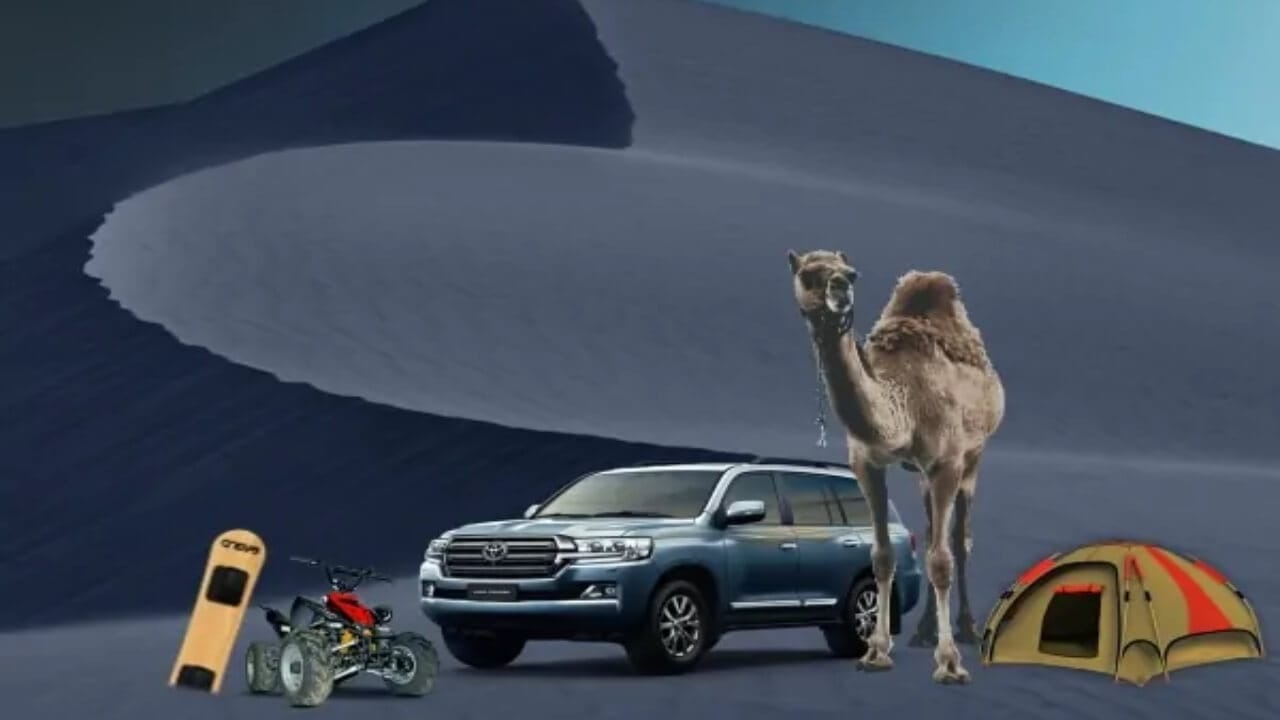
- Optional camel rides or dune buggies before sunset
| Package Type | Duration | Price (AED) | Inclusions |
|---|---|---|---|
| Standard Group Tour | 4–5 hours | 250–350 | Shared guide, telescope access |
| Private Stargazing Experience | 5–6 hours | 450–600 | Personal guide, BBQ dinner, telescope, transport |
| Luxury Desert Observatory Night | 6–7 hours | 700–900 | Premium setup, photography, private camp |
Can You Combine Stargazing with Other Desert Activities?
Yes, stargazing is frequently combined with popular desert activities for a full evening experience. Guests can enjoy dune bashing, camel rides, sandboarding, and traditional Tanoura or fire shows before the night sky viewing begins. The transition from sunset to starlight creates a memorable sequence for travelers seeking both thrill and tranquility.
Popular Combined Activities:
- Evening dune bashing followed by stargazing
- Sunset photography and BBQ dinner
- Falconry demonstration before night observation
- Henna painting and cultural shows before telescope sessions
While some prefer stargazing-only tours for serenity, others enjoy the contrast of adrenaline and stillness. Both options are available year-round with advance booking.
What Are the Pros and Cons of Different Stargazing Locations?
| Location | Pros | Cons |
|---|---|---|
| Al Qudra Desert | Easy access, suitable for beginners | Occasional crowding near weekends |
| Lahbab Desert | Red dune backdrop, premium tours available | Requires 4x4 access |
| Al Faya Desert | Darkest skies, ideal for photography | Farther from Dubai city center |
| Jebel Jais (Ras Al Khaimah) | Elevated altitude, cooler air | Requires inter-emirate travel permit |
Each destination offers distinct advantages. For those seeking isolation and deep-sky observation, Al Faya Desert is unmatched. For accessible and family-friendly trips, Al Qudra remains the best option.
Featured Desert Safaris & Tours
Explore top-rated tours with instant confirmation & best price guarantee
 Desert Safari
Overnight Desert Safari Dubai (Stargazing & Glamping)
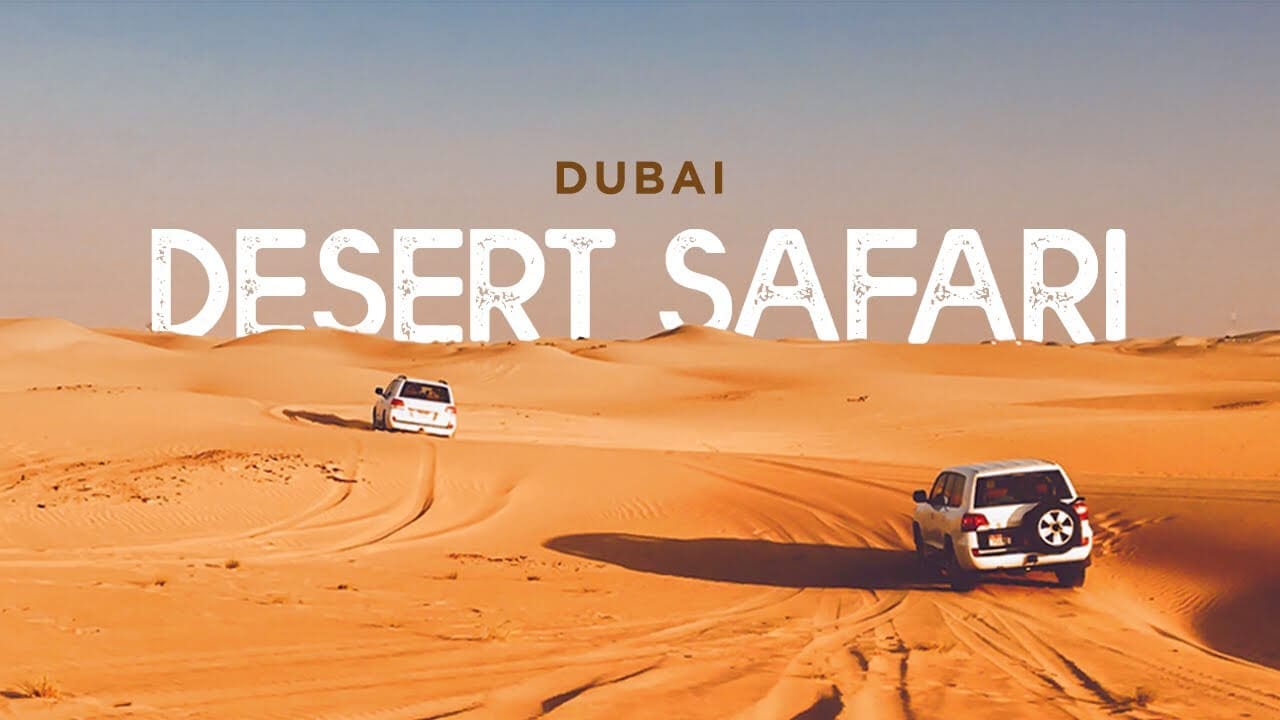 Desert Safari
Arabian Desert Safari Dubai | 4×4 Red Dunes & VIP BBQ Tour
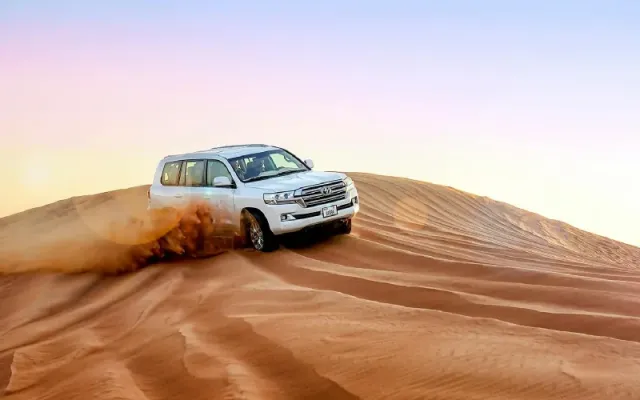 Desert Safari
Evening Desert Safari Dubai with BBQ Dinner & Live Shows
 Desert Safari
Premium Desert Safari Dubai (5-Star Experience)
How Can You Book a Stargazing Experience Safely?
To ensure a smooth experience, travelers should always book through licensed operators. Verify the company’s registration, safety insurance, and customer reviews before payment. Avoid informal arrangements or unlicensed guides, as these lack safety protocols and proper gear.
Bookings with Arabian Desert Safari Dubai guarantee certified guides, high-quality telescopes, and secure transportation. Their organized itineraries balance adventure and comfort, ensuring guests witness Dubai’s night sky in complete safety.
Call to Action:
Book your Dubai Desert Stargazing Tour with Arabian Desert Safari Dubai today. Experience the magic of the Arabian night under millions of stars, guided by certified experts and supported by premium equipment. Limited private tour slots are available this season—reserve now for an unforgettable celestial journey.
Name: Arabian Desert Safari Dubai
Address: Marina Plaza - Marsa Dubai - Dubai Marina - Dubai
Phone: 0544747041
Website: Arabian Desert Safari
Hours: Open 24 hours